
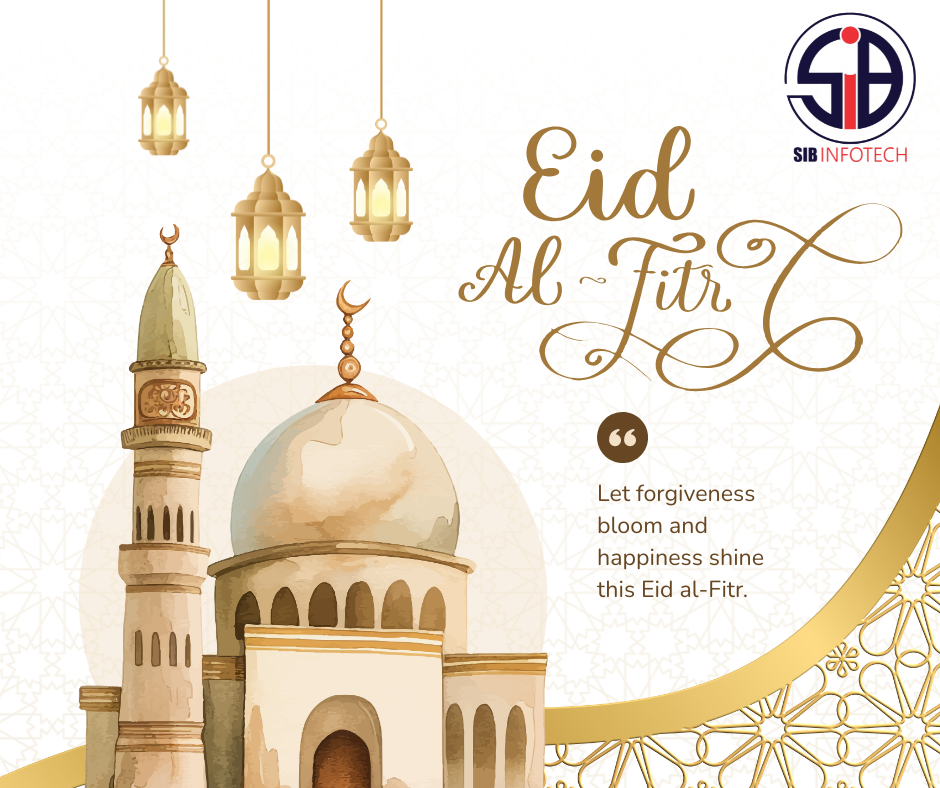
Eid al-Fitr 2026 arrives not just as a date on the calendar but as a powerful reminder of faith, discipline, compassion, and unity. For millions of Muslims across the world, the end of the sacred month of Ramadan is more than a celebration. It is a moment of reflection, a renewal of purpose, and a powerful expression of gratitude. As the crescent moon appears in the sky, hearts fill with relief, joy, and hope. Families prepare to gather, communities prepare to embrace one another, and the world witnesses one of the most heartfelt celebrations of humanity and faith.
The beauty of Eid al-Fitr lies in its emotional depth. For an entire month, believers commit themselves to fasting from dawn until sunset, practicing patience, strengthening their relationship with God, and helping those who struggle silently. Hunger and thirst become teachers. They remind people of the realities faced by the less fortunate. When Eid arrives, it does not simply mark the end of fasting. It celebrates the strength that people discovered within themselves during Ramadan.
Across continents, cultures, and languages, the meaning of Eid remains the same. It is a day of gratitude. It is a day of forgiveness. It is a day when people step away from divisions and come together in celebration. In cities like Kuala Lumpur, Istanbul, Cairo, London, Jakarta, and New York, the morning begins with a powerful sense of anticipation. Mosques and open prayer grounds fill with worshippers dressed in their finest clothes. The air carries a unique spiritual energy that cannot be replicated by any other festival.
The morning of Eid begins with the special congregational prayer. This moment is deeply symbolic. Thousands stand shoulder to shoulder regardless of wealth, status, or background. In that single moment, the barriers of society disappear. Everyone becomes equal in their devotion and gratitude. The prayer is followed by heartfelt greetings. The phrase Eid Mubarak echoes everywhere, carrying with it warmth, blessings, and joy.
What makes Eid al-Fitr especially powerful is the emphasis on generosity. Before the Eid prayer, Muslims are required to give charity known as Zakat al-Fitr. This act ensures that even the most vulnerable members of society can celebrate the festival with dignity. No one should feel forgotten during Eid. This principle transforms the celebration from a personal moment into a collective responsibility. When people give, they do not simply donate money or food. They restore hope, dignity, and belonging.
In 2026, the spirit of generosity carries even greater importance. The world continues to face economic challenges, social tensions, and humanitarian crises. Eid reminds people that compassion is not optional. It is essential. A single act of kindness can transform someone’s life. A meal shared with a neighbor, a gift given to a child, or a message of forgiveness sent to someone distant can rebuild bridges that seemed permanently broken.
Families play a central role in the joy of Eid al-Fitr. Homes come alive with activity in the days leading up to the celebration. Kitchens fill with the aromas of traditional sweets and festive dishes. From sweet vermicelli and dates to rich pastries and savory feasts, every culture adds its own flavor to the celebration. Children eagerly wait for the moment when they receive gifts and money from elders. Their excitement captures the pure happiness that defines Eid.
But the true beauty of Eid is not found only in food or gifts. It lives in the reunions. It lives in the embraces between relatives who may not have seen each other for months or years. It lives in the forgiveness offered quietly between people who once argued. Eid is a powerful opportunity to repair relationships and start again with sincerity and humility.
In many communities, Eid extends beyond family gatherings. It becomes a community wide celebration filled with open houses, charity drives, cultural events, and public prayers. Streets near mosques become vibrant with laughter and conversation. Markets display colorful clothing and decorations. Social media fills with images of families celebrating together. These moments capture a powerful truth. Even in a world that often feels divided, festivals like Eid remind people that shared joy still exists.
Eid al-Fitr 2026 also carries an important message for the younger generation. In a time when digital distractions dominate daily life, the spiritual lessons of Ramadan and Eid encourage young people to reconnect with deeper values. Discipline, gratitude, humility, and empathy are not outdated virtues. They are the foundation of meaningful lives. When children witness their families praying together, sharing meals with neighbors, and helping the less fortunate, they learn lessons that cannot be taught in classrooms.
For businesses and organizations around the world, Eid has also become an important cultural moment. Companies recognize the importance of respecting and celebrating diversity within their communities and workplaces. Many organizations now host Eid gatherings, offer flexible schedules during Ramadan, and support charitable initiatives during the festive period. These actions strengthen bonds between employees and create more inclusive environments.
The global recognition of Eid al-Fitr continues to grow each year. Cities illuminate landmarks, governments issue official greetings, and communities of different faiths join their Muslim neighbors in celebration. This expanding recognition demonstrates how cultural understanding can create bridges across religious and cultural lines. When people learn about one another’s traditions, fear and misunderstanding slowly disappear.
However, the true power of Eid al-Fitr lies not in its global recognition but in its ability to transform individuals. Ramadan asks people to look inward. It challenges them to control anger, avoid harmful behavior, and strengthen their faith. When Eid arrives, the real question emerges. Will these lessons continue beyond the month of fasting. The celebration is not the end of a journey. It is the beginning of a new commitment to live with integrity, compassion, and purpose.
This is why Eid al-Fitr should never be treated as just another holiday. It is a reminder that transformation is possible. For thirty days, millions prove that they can control their desires, prioritize spirituality, and show kindness to others. If this discipline can be maintained for a month, it can certainly shape the rest of the year.
As the sun rises on Eid morning in 2026, the message is simple yet profound. Gratitude changes everything. When people appreciate the blessings in their lives, they naturally become more generous, more patient, and more compassionate. Gratitude removes arrogance and replaces it with humility. It reminds individuals that every meal, every opportunity, and every relationship is a gift.
The celebration also encourages people to reconnect with those they may have neglected. In the rush of modern life, friendships fade and family connections weaken. Eid invites everyone to pause and rebuild those connections. A phone call, a visit, or even a simple message can rekindle bonds that once felt lost.
Another powerful element of Eid al-Fitr is forgiveness. During Ramadan, believers are encouraged to seek forgiveness from God and from one another. Carrying resentment into the future only burdens the heart. Eid creates the perfect moment to release those burdens. Forgiving someone does not mean forgetting the past. It means choosing peace over bitterness and choosing growth over anger.
Around the world, humanitarian organizations also use the occasion of Eid to amplify their efforts. Donations increase significantly during this time because people feel a deeper sense of responsibility to help those in need. Refugees, orphaned children, struggling families, and disaster affected communities benefit from this wave of generosity. The ripple effect of these acts of kindness continues long after the festival ends.
In many parts of the world, Eid celebrations also highlight cultural diversity within the Muslim community. In Indonesia, the world’s largest Muslim population celebrates with vibrant traditions known as Lebaran. In Turkey, the festival is known as the Sugar Feast because of the abundance of sweets shared among families. In South Asia, homes are decorated with lights and children proudly wear new colorful outfits. In the Middle East, grand family gatherings and elaborate meals create unforgettable memories. These diverse traditions show that while cultures may differ, the core message of Eid remains universal.
Eid al-Fitr 2026 also serves as a powerful opportunity for reflection on global unity. In an era where news headlines often highlight conflict and division, the sight of millions celebrating together offers hope. It demonstrates that shared values of compassion, gratitude, and generosity still exist across cultures and borders.
For individuals reading about Eid, whether they celebrate it or simply observe it from outside the faith, the festival carries valuable lessons. It reminds humanity that joy becomes more meaningful when it is shared. Wealth becomes meaningful when it is used to uplift others. Faith becomes meaningful when it inspires kindness and humility.
As the celebrations unfold, one important thought should remain at the center of every heart. The spirit of Ramadan should not disappear once Eid ends. The patience practiced during fasting, the generosity shown through charity, and the humility developed through prayer should continue shaping daily life.
Eid al-Fitr 2026 is more than a festival. It is a powerful reminder that the world still has the capacity for compassion. It proves that communities can come together with love and gratitude even during uncertain times. Every handshake, every embrace, every shared meal carries a message of hope.
This year, do not let Eid pass as just another celebration. Use it as a turning point. Reach out to someone who feels alone. Support a family that struggles quietly. Forgive someone who once hurt you. Express gratitude for the blessings you often overlook. These small actions carry enormous power.
When millions of people choose kindness at the same time, the world changes. That is the true miracle of Eid al-Fitr.