
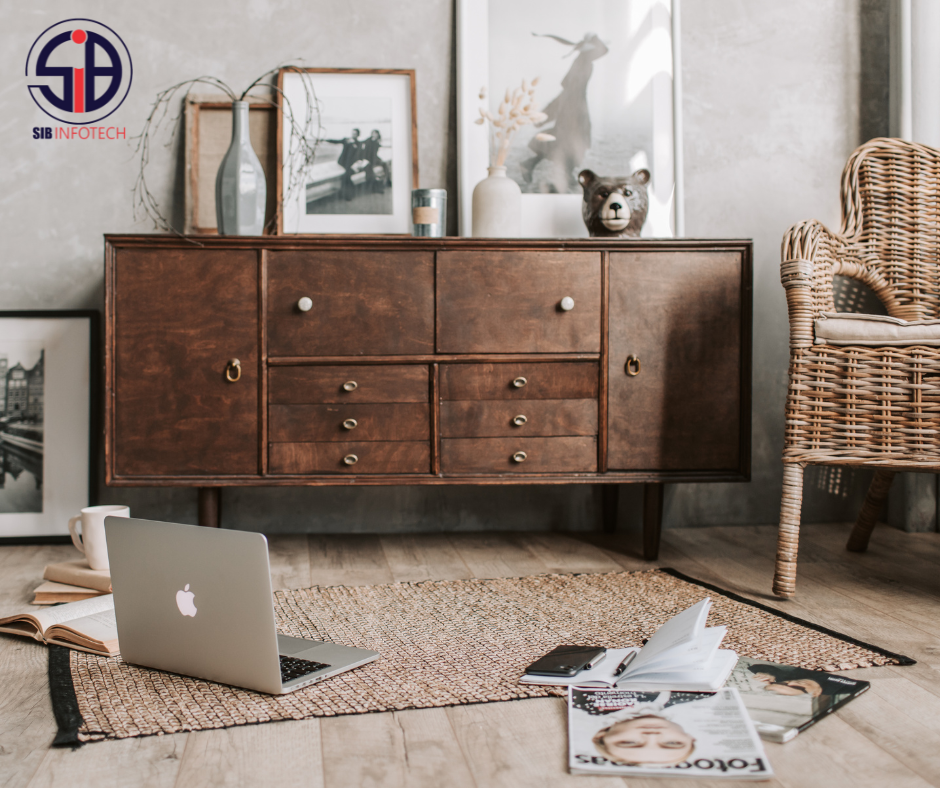
The furniture industry is standing at a defining crossroads. What once thrived on showroom footfall, word of mouth, seasonal exhibitions, and long standing dealer relationships is now being reshaped by a force that does not wait, does not negotiate, and does not forgive hesitation. The digital world has already arrived. Customers have changed their habits, expectations, and buying behavior. Competitors have adapted faster than many imagined. And businesses that still rely only on traditional methods are discovering a painful truth too late. No visibility means no growth. No digital presence means no trust. And no website increasingly means no business.
Furniture is no longer sold only in showrooms. It is discovered online, compared online, evaluated online, reviewed online, and very often decided online. Even when the final purchase happens in a physical store, the journey almost always begins on a screen. A website is no longer an optional addition. It is the foundation of survival, credibility, and expansion in today’s furniture market.
This is not a future prediction. This is the present reality unfolding across cities, towns, and global markets.
The Silent Shift That Changed Furniture Buying Forever
There was a time when customers visited multiple furniture stores in person, touched materials, negotiated prices, and relied heavily on sales representatives. That era shaped generations of furniture businesses. But consumer behavior has shifted quietly and rapidly.
Today, a customer searching for a sofa, bed, office desk, or dining set begins by searching online. They want to see designs, dimensions, materials, colors, prices, delivery options, warranty details, and real customer feedback before ever stepping outside their home. If your business does not appear during that search, you are invisible to them.
This shift has not reduced the importance of physical furniture. Instead, it has elevated the importance of digital presence. Furniture buyers now expect transparency, information, and confidence before making contact. A professional website delivers all three.
Without a website, even the best quality furniture remains unseen. Without digital visibility, craftsmanship goes unnoticed. Without online credibility, trust erodes before the first conversation even begins.
Why the Furniture Industry Has Become Fiercely Competitive
The furniture industry is no longer competing only with neighboring shops. It is competing with national brands, international platforms, direct to consumer manufacturers, and digitally native furniture startups. These players are aggressive, data driven, and always visible.
They showcase their products professionally. They tell compelling brand stories. They use technology to simplify customer journeys. And they meet customers exactly where they are spending most of their time online.
Traditional businesses that rely solely on physical presence are now competing against companies that operate twenty four hours a day without closing shutters. The competition is not only about price. It is about perception, convenience, and accessibility.
In such an environment, not having a website places a furniture business at an immediate disadvantage. It signals outdated operations, limited reach, and lack of seriousness in a digital age.
A Website Is Not a Cost. It Is a Revenue Engine
One of the most damaging misconceptions in the furniture industry is the belief that websites are expensive luxuries. In reality, a website is one of the most cost effective investments a business can make.
A single showroom requires rent, staff, utilities, maintenance, and fixed operating hours. A website, on the other hand, works continuously. It displays your products, explains your value, captures inquiries, builds trust, and generates leads day and night.
When designed correctly, a website becomes a sales assistant that never sleeps. It answers customer questions before they ask. It filters serious buyers from casual browsers. It shortens sales cycles. It increases conversion rates.
In many cases, one well built website can outperform multiple offline marketing efforts combined.
Digital Trust Begins With a Website
Trust is the currency of modern commerce. Customers are cautious, informed, and selective. Before they contact a furniture brand, they look for signs of legitimacy.
A professional website provides that assurance. It shows that the business is established, transparent, and invested in long term growth. It offers clear contact details, company background, product galleries, testimonials, and policies.
Without a website, customers often hesitate. They question reliability. They fear lack of accountability. They move on to competitors who appear more professional and accessible online.
In a competitive furniture market, trust lost at the first impression is rarely recovered.
Furniture Is Visual. Websites Amplify Visual Impact
Furniture is an industry driven by aesthetics. Design, texture, form, and finish matter deeply. A website allows furniture businesses to present their products with clarity and creativity.
High quality images, detailed descriptions, virtual catalogs, room settings, and inspiration galleries transform how customers perceive furniture. A website allows storytelling through visuals, enabling customers to imagine furniture in their own spaces.
This emotional connection is difficult to achieve through brochures or verbal explanations alone. Digital presentation bridges the imagination gap and accelerates buying decisions.
The End of Purely Traditional Business Models
There is no polite way to say this. Traditional only business models in the furniture industry are becoming obsolete. This does not mean abandoning showrooms or personal relationships. It means integrating them with digital systems.
Businesses that refuse to adapt risk fading quietly. Customers will not wait for you to change. They will choose brands that are easier to find, easier to explore, and easier to contact.
Digital transformation is not about replacing craftsmanship or heritage. It is about protecting them from irrelevance.
Why Small and Medium Furniture Businesses Need Digital First Thinking
Large brands have already embraced digital infrastructure. The real risk lies with small and medium furniture businesses that believe size protects them.
In reality, digital tools level the playing field. A small furniture manufacturer with a powerful website can compete with much larger brands. Online visibility removes geographical limitations. A local workshop can attract national or even international inquiries.
Without digital presence, growth remains capped by physical reach. With it, expansion becomes possible without massive overhead.
SIB Infotech and the Furniture Digital Growth Hub Advantage
Understanding the furniture business requires more than technical knowledge. It requires insight into how furniture brands operate, how customers decide, and how digital tools must align with real business goals.
SIB Infotech positions itself as a Furniture Digital Growth Hub that offers end to end solutions designed specifically for furniture businesses. From domain registration and secure hosting to professional website development, everything is structured to be affordable, scalable, and profitable.
What sets SIB Infotech apart is not just technology but understanding. Understanding furniture cycles, seasonal demand, visual merchandising, dealer networks, and customer psychology.
Instead of offering generic websites, SIB Infotech builds platforms that support growth, lead generation, branding, and long term sustainability.
Affordable Digital Transformation Is No Longer a Dream
Many furniture businesses delay digital adoption due to fear of high costs. This fear is outdated. Modern digital infrastructure has become accessible, flexible, and cost efficient.
SIB Infotech focuses on practical solutions rather than unnecessary complexity. This approach ensures that even businesses with limited budgets can build a strong online presence without financial strain.
Affordable does not mean cheap. It means intelligent investment with measurable returns.
From Visibility to Profitability
A website is only the beginning. The true value lies in how it supports business outcomes.
A properly structured furniture website increases inquiries, improves customer engagement, reduces dependency on middlemen, and strengthens brand positioning. Over time, it builds authority and recognition.
Customers remember brands that educate them, inspire them, and simplify their buying process. A website becomes the center of this experience.
Why Waiting Is the Biggest Risk
Every day without a website is a day competitors capture your potential customers. The digital marketplace does not pause. It rewards those who act and penalizes those who delay.
Businesses that wait for perfect timing often discover they waited too long. Digital presence compounds over time. Early adoption builds momentum. Late adoption requires recovery.
The cost of inaction is far greater than the cost of starting.
Furniture Businesses That Adapt Will Lead the Next Decade
The next decade of the furniture industry will belong to businesses that blend craftsmanship with technology. Those who respect tradition but embrace innovation. Those who understand that digital presence does not erase personal relationships but strengthens them.
Websites will become the first showroom. Online catalogs will become the first sales pitch. Digital credibility will become the first handshake.
Furniture businesses that adapt now will not only survive. They will lead.
The Final Reality
A furniture business without a website is no longer invisible by accident. It is invisible by choice. And in a competitive digital world, invisibility is the fastest path to irrelevance.
The industry is changing. Customers have changed. The market has changed. The only question that remains is whether your business will change in time.
SIB Infotech exists to make that change achievable, affordable, and aligned with real business growth.
The future of furniture belongs to those who show up where customers are already looking.